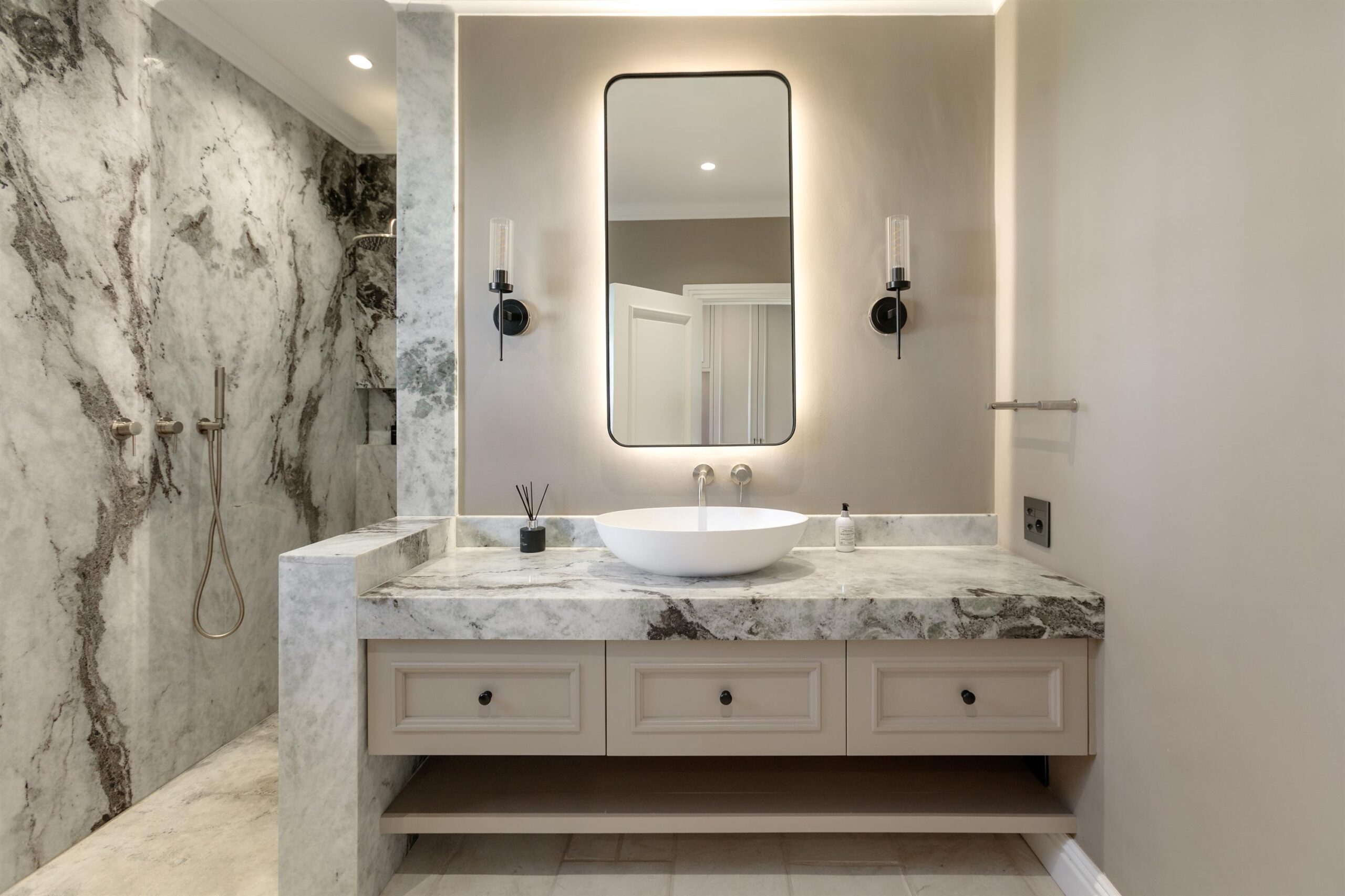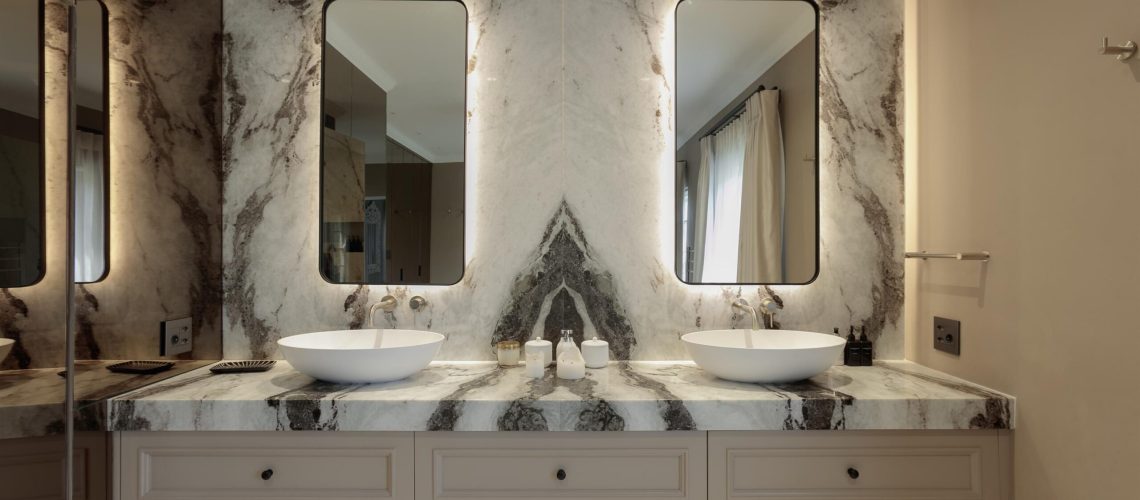
Buying stone countertops should be one of the most satisfying decisions in a renovation. It often becomes one of the most stressful — because nobody warned you how it actually works. The industry has its own language, its own lead times, and its own pricing structures that are rarely explained upfront. Most people only discover this after they have committed to a slab, a supplier, or a timeline. Here are five things a good stone supplier should tell you before you sign anything — and the honest truth about why most do not.
1. YOU WILL PROBABLY PAY FOR MORE STONE THAN YOU USE
Natural stone does not come in the exact dimensions you need. It comes in slabs — typically measuring from 2500 x 1300 to 3200 x 1900 — cut directly from the quarry block. Your supplier charges for the full slab, regardless of how much of it your kitchen actually uses.
This is not a hidden fee. It is simply how the material works. A slab is a slab, and the leftover piece — called a remnant — goes back into the yard once your project is cut and installed.
Where it matters is in planning. If your kitchen requires six square metres of surface but the slab available is four and a half square metres, you will need two slabs and pay for both. Your fabricator should walk you through this calculation before you commit.
The good news: remnant slabs are worth asking about, especially for smaller projects. A bathroom vanity, a laundry surface, a bar top, or a small kitchen in a secondary property can often be completed with a remnant at a significantly reduced cost. Good suppliers keep an organised remnant yard and are happy to show it to you. Ask.
If you’re fabricating from Sangengalo’s own stock, this is where we do things differently. Rather than charging for a full slab when your project only requires half or a third, we charge you for what you actually use — because we put the remainder to work on other projects. It’s a straightforward arrangement that can save you thousands of rands, and it’s one of the reasons our customers come back to us when it’s time for the next room.
2. THE CHEAPEST QUOTE DOES NOT STAY CHEAPEST
A stone quote that arrives looking R3,000 cheaper than the competition deserves a closer look — because that gap often disappears, and then some, by the time installation is complete.
Here is what a complete stone quote should include, and what is frequently left off the initial price:
- Templating: The precise measurement of your space before cutting begins. Some suppliers include this. Many charge separately.
- Cutouts: Every opening in your countertop — your sink, your tap holes, your hob — is typically charged per opening. Two sink cutouts and a tap hole can add R950 or more to your total.
- Edge profiling: A standard square edge is often included. A bullnose, bevelled, or waterfall edge generally is not.
- Sealing: Natural stone requires sealing before use. Ask whether this is included or an add-on.
- Delivery and installation: These are sometimes bundled, sometimes separate, and sometimes dependent on distance.
- Warranty / After sales service: One thing most people forget to ask: what happens if something goes wrong? Stone can crack during cutting or installation — it’s rare, but it happens. Before you commit to a supplier, check how long they’ve been in business and what their reviews say. A supplier with longevity and a solid reputation has the means and the motivation to make things right. A supplier who opened six months ago may not.Ask the question upfront: what is your policy if a slab is damaged during fabrication or installation? The answer will tell you a lot.
The right question to ask any supplier is not “what does the stone cost?” It is: “What is the fully installed price, including templating, all cutouts, edge finishing, sealing, delivery, and installation?” That number is the real number.
3. TWO SLABS WITH THE SAME NAME CAN LOOK COMPLETELY DIFFERENT
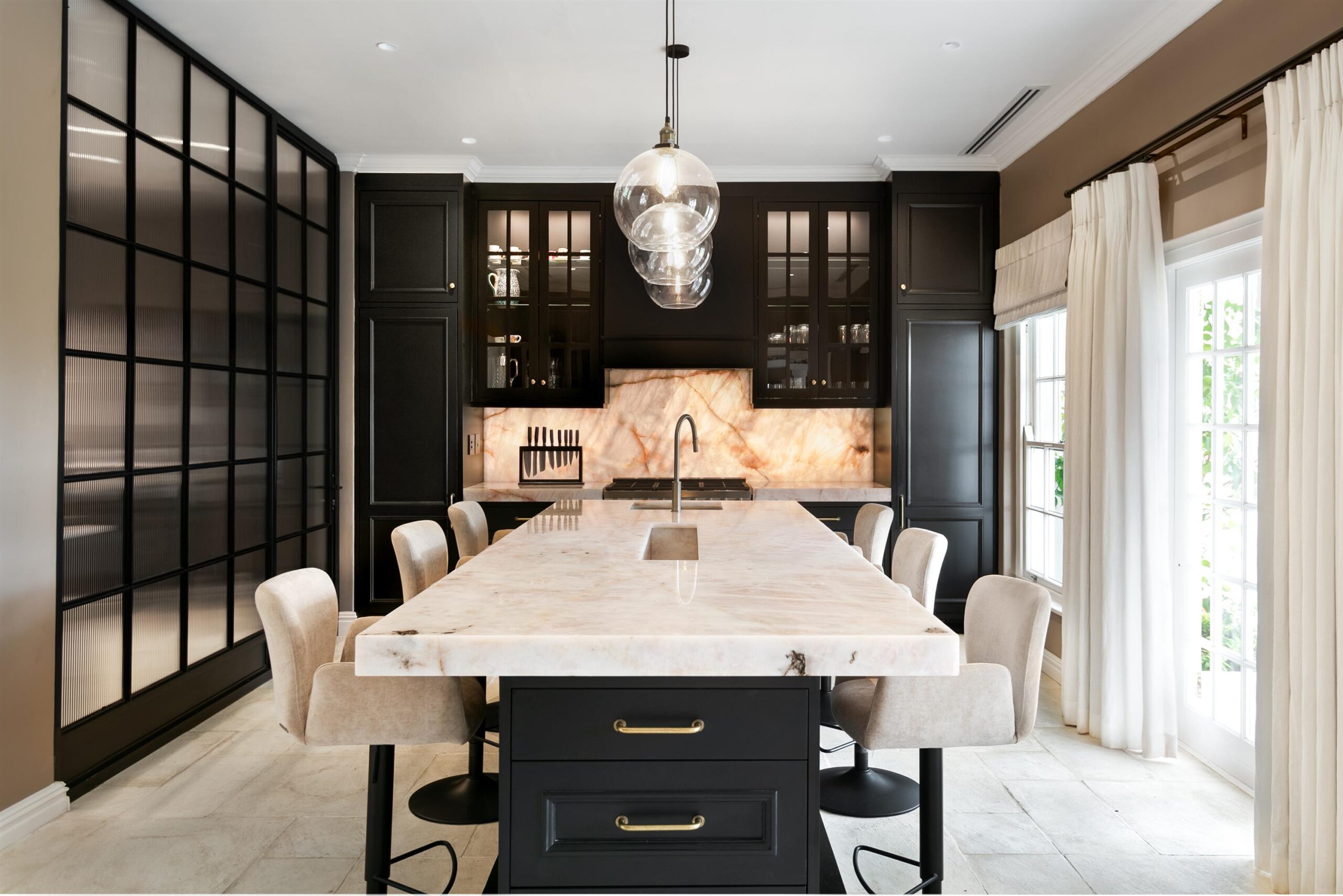
If you have fallen in love with a stone called Nero Marquina, Calacatta Gold, or Statuario — know this: the name describes a category, not a specific product.
Natural stone is quarried from the earth. Every block pulled from the mountain is unique. Two slabs from the same quarry, cut in the same week, can have meaningfully different veining, movement, background tone, and character. Two slabs with the same name from different quarry runs — perhaps a year apart — can look like entirely different stones.
This is not a quality issue. It is the nature of the material. It is also one of the things that makes natural stone genuinely beautiful.
What it means for you as a buyer: never select a stone from a sample, a photograph, a website image, or someone else’s kitchen. Those references show you a stone type. They do not show you your slab.
Always ask to view the actual slab that will be cut for your project. Walk the yard. Look at it in natural light. If your supplier cannot show you the specific slab before fabrication begins, that is worth noting.
4. YOUR COUNTERTOPS SHOULD BE ORDERED BEFORE YOUR CABINETS ARE FINISHED
This is the piece of advice that saves renovations from going over schedule.
Most homeowners assume the logical order is: finish the cabinets, then measure and order the stone. The problem is lead times.
Your project needs to be scheduled, and the material should be purchased beforehand, to ensure you get exactly what you want. Even locally stocked material moves quickly. The best slabs — the ones with the most striking veining and the cleanest backgrounds — get reserved fast.
If you are waiting for your cabinets to be finished before you even begin the conversation with your stone supplier, you are already building a delay into your project.
The better approach: engage your stone supplier early. Reserve your slab. Templating only happens once the cabinets are in place — but the slab selection and ordering should happen well before that.
5. THE FINISH MATTERS AS MUCH AS THE MATERIAL
Most people choose their stone and give almost no thought to the finish — and then live with the consequences daily.
There are two finishes you will encounter most often:
- Polished: A high-gloss, reflective surface that shows the depth and colour of the stone at its most vivid. It is striking, and it photographs beautifully. It also shows fingerprints, water marks, and surface scratches more readily in high-traffic areas.
- Honed: A matte or satin surface with no shine. It has a softer, more tactile quality and tends to be more forgiving in a busy kitchen. Darker granites and marbles can feel almost velvet-like when honed. It does typically require more consistent sealing to maintain.
Neither finish is better. They suit different spaces, different uses, and different aesthetics. This is a conversation that should happen at the point of selection — and rarely does. Ask your supplier. They should be able to guide you based on how you actually live and cook.
A great stone supplier answers all five of these questions before you ask. At Sangengalo, this is exactly how we work. We walk every client through slab selection, pricing, lead times, finishes, and the complete installed cost — before you commit to anything.
Visit our showroom at 4 Trafford Road, Blackheath, Cape Town, and let us show you what working with the right supplier actually feels like.
Contact us on 021 907 1680 or info@ske.co.za to get the answers before you commit.